US long-term mortgage rate bounce back to levels seen 4 weeks ago
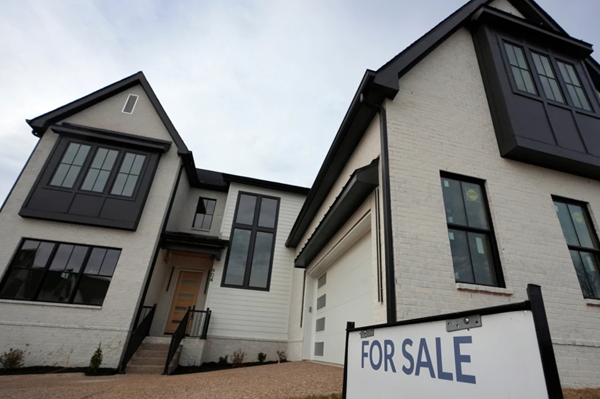
The average long-term U.S. mortgage rate rose again this week, reflecting ongoing bond market volatility as surging oil prices due to the war with Iran heighten inflation worries.
The benchmark 30-year fixed rate mortgage rate rose to 6.37% from 6.3% last week, mortgage buyer Freddie Mac said Thursday. That’s still down from one year ago, when the rate averaged 6.76%.
This is the second straight weekly increase, bringing the average rate back to where it was four weeks ago.
Borrowing costs on 15-year fixed-rate mortgages, popular with homeowners refinancing their home loans, also moved higher this week. That average rate rose to 5.72% from 5.64% last week. A year ago, it was at 5.89%, Freddie Mac said.
Mortgage rates are influenced by several factors, from the Federal Reserve’s interest rate policy decisions to bond market investors’ expectations for the economy and inflation.
The average rate on a 30-year home loan echoes the trajectory of U.S. 10-year Treasury bond yields, which lenders use as a guide to pricing home loans.
The 10-year Treasury yield was at 4.37% in midday trading Thursday on the bond market. The yield was at just 3.97% in late February, before the war with Iran broke out.
When mortgage rates rise, they can add hundreds of dollars a month in costs for home shoppers, limiting what they can afford to buy.
As recently as late February, the average rate on a 30-year mortgage had slipped just under 6% for the first time since late 2022. It’s hasn’t fallen below that threshold since.
While the average rate has remained below where it was a year ago, the rate volatility and other economic fallout from the conflict in the Middle East have contributed to a lackluster start to the spring homebuying season, traditionally the busiest stretch of the year for the housing market.
Sales of previously occupied U.S. homes were down from a year earlier in the first three months of the year, extending nationwide housing slump that dates back to 2022, when mortgage rates began to climb from pandemic-era lows.