Bill aiming to create skilled workers
Mississippi employers say they need skilled workers, but too many adults say they can’t afford the training. That gap in the state’s workforce is what a new bill aims to fill.
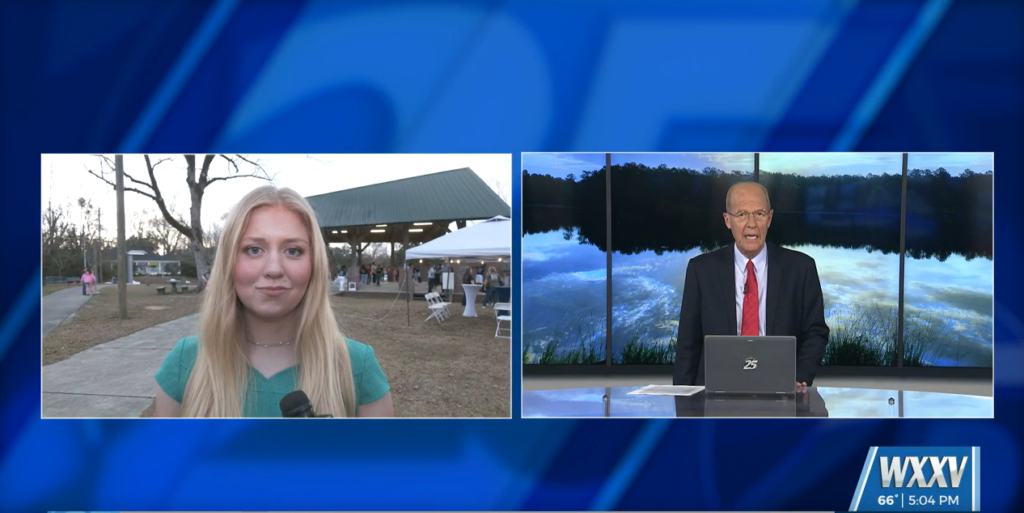
Morgan Gill with the Roy Howard Community Journalism Center walks us through what it proposes.
Across Mississippi, help-wanted signs are easy to find, but trained workers are harder to come by.
State lawmakers say that gap is leaving jobs unfilled and out of reach for many adults.
Senate Bill 2522 is designed to bridge that divide by covering tuition for Mississippians 24 and older.
Bill sponsor Senator Nicole Boyd says the goal is to make it easier for people already juggling work, family and bills to go back to school and finish. “There’s not a shortage of jobs in Mississippi. What there is sometimes is a shortage of people trained in the particular jobs that are needed in the marketplace.”
Boyd says a lot of workers aren’t unqualified — they’re uncertified.
This program would help them get the credentials employers are asking for in high-demand fields.
And the jobs are there.
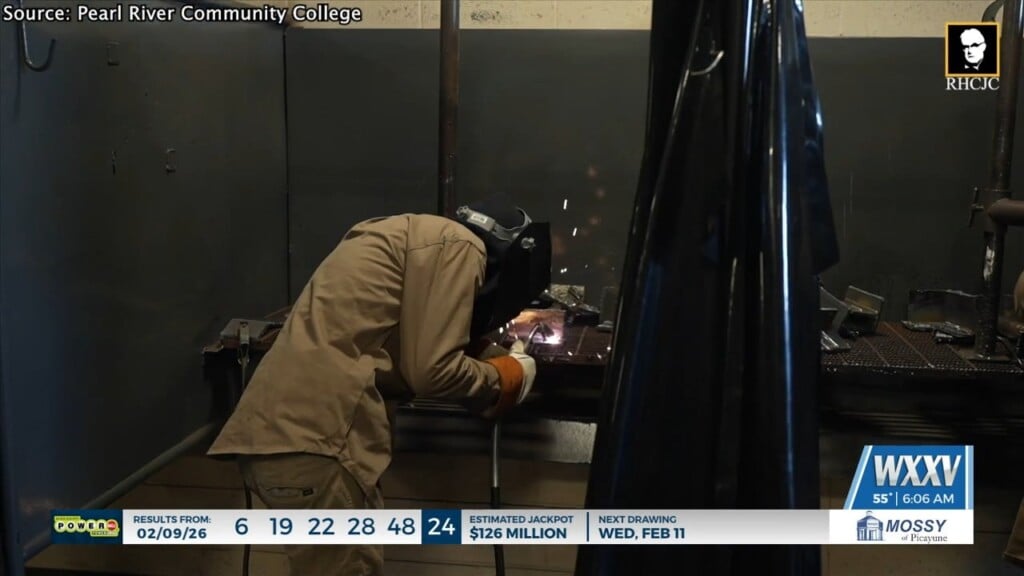
Mississippi had about 71,000 openings in November, with employers looking for trained workers. “One of the biggest needs right now is CDL, welding and electrical. Those are some of the biggest needs we see in manufacturing.”
Crowder says short-term credential programs can lead to work quickly — sometimes within weeks of completion. “That is one big selling point right now, the electrical and fiber, that they can go to work, and we can almost guarantee them an interview.”
The bill goes beyond tuition.
For many adults, it’s childcare, gas money or getting to class — and the bill would ensure colleges can help with that, too.
The program would be administered by the Mississippi Office of Student Financial Aid and roll out in phases, starting with a pilot in 2027.
Lawmakers say that allows the state to test the program before expanding it. “So, a pilot we think is a great way to start in that way we can look at the effectiveness of the program and I think that’s sufficient use of taxpayer dollars.”
Eligible students must be Mississippi residents, enroll at least part time and maintain good academic standing.
The bill must pass the full Senate before moving to the House for consideration.