Jury finds Instagram and YouTube liable in landmark social media addiction trial
LOS ANGELES (AP) — A jury found both Meta and YouTube liable in a first-of-its-kind lawsuit that aimed to hold social media platforms responsible for harm to children using their services, awarding the plaintiff $3 million in damages.
After more than 40 hours of deliberation across nine days, California jurors decided Meta and YouTube were negligent in the design or operation of their platforms. The jury also decided each company’s negligence was a substantial factor in causing harm to the plaintiff, a 20-year-old woman who says her use of social media as a child addicted her to the technology and exacerbated her mental health struggles.
The multimillion-dollar verdict will grow, as the jury decided the companies acted with malice, or highly egregious conduct, meaning they will hear new evidence shortly and head back into the deliberation room to decide on punitive damages.
Meta and Google-owned YouTube were the two remaining defendants in the case after TikTok and Snap each settled before the trial began.
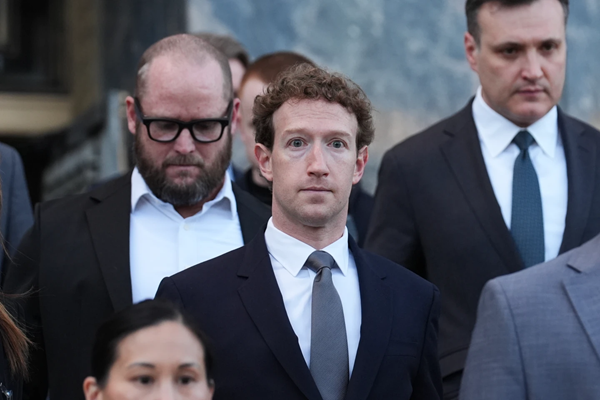
Jurors listened to about a month of lawyers’ arguments, testimony and evidence, and they heard from the plaintiff herself, a 20-year-old woman identified as KGM in documents, or Kaley as her lawyers have called her during the trial, as well as Meta leaders Mark Zuckerberg and Adam Mosseri. YouTube’s CEO, Neal Mohan, was not called in to testify.
Kaley says she began using YouTube at age 6 and Instagram at age 9 and told the jury she was on social media “all day long” as a child.
Lawyers representing Kaley, led by Mark Lanier, were tasked with proving that the respective defendants’ negligence was a substantial factor in causing Kaley’s harm. They pointed to specific design features they said were designed to “hook” young users, like the “infinite” nature of feeds that allowed for an endless supply of content, autoplay features, and even notifications.
The jurors were told not to take into account the content of the posts and videos that Kaley saw on the platforms. That’s because tech companies are shielded from legal responsibility for content posted on their sites thanks to Section 230 of the 1996 Communications Decency Act.
Meta consistently argued that Kaley had struggled with her mental health separate from her social media use, often pointing to her turbulent home life. Meta also said “not one of her therapists identified social media as the cause” of her mental health issues in a statement following closing arguments. But the plaintiffs did not have to prove that social media caused Kaley’s struggles — only that it was a “substantial factor” in causing her harm.
YouTube focused less on Kaley’s medical records and mental health history and more on her use of YouTube and the nature of the platform. They argued that YouTube is not a form of social media, but rather a video platform akin to television, and pointed to her declining YouTube use as she got older. According to their data, she spent about one minute a day on average watching YouTube Shorts since its inception. YouTube Shorts, which launched in 2020, is the platform’s section of short-form, vertical videos that have the “infinite scroll” feature the plaintiffs argued was addictive.
Lawyers representing both platforms also consistently pointed to the safety features and guardrails they each have available for people to monitor and customize their use.
The case, along with several others, has been randomly selected as a bellwether trial, meaning its outcome could impact how thousands of similar lawsuits filed against social media companies play out.
Laura Marquez-Garrett, an attorney with the Social Media Victims Law Center and the counsel of record for Kaley, said this trial was “a vehicle, not an outcome” during deliberations.
“This case is historic no matter what happens because it was the first,” Marquez-Garrett said, emphasizing the gravity of getting Meta and Google’s internal documents into the public record.
Marquez-Garrett said social media companies are “not taking the cancerous talcum powder off the shelves,” likely in reference to a past case that Lanier and his firm worked on, securing a multi-billion-dollar verdict. “And they’re not going to because they’re making too much money killing kids.”
Still, the Social Media Victims Law Center and the parents who trace their children’s deaths or harms back to social media will continue to keep fighting, Marquez-Garrett said, wearing several rubber wristbands in honor of victims that have not come off since the trial began.
The trial was one of several that social media companies face this year and beyond. They are the culmination of years of scrutiny of the platforms over child safety, and whether the companies make them addictive and serve up content that leads to depression, eating disorders or suicide.
Some experts see the reckoning as reminiscent of cases against tobacco and opioid markets, and the plaintiffs hope that social media platforms will see similar outcomes as cigarette makers and drug companies, pharmacies and distributors.